Before moving to Liguria, I thought I understood Italian food: Lombardy has risotto, Abruzzo offers arrosticini, Tuscany gives us Chianti, Calabria heats us with ’nduja, and Sicily provides indulgent arancini.
But two weeks here proved I was a novice.
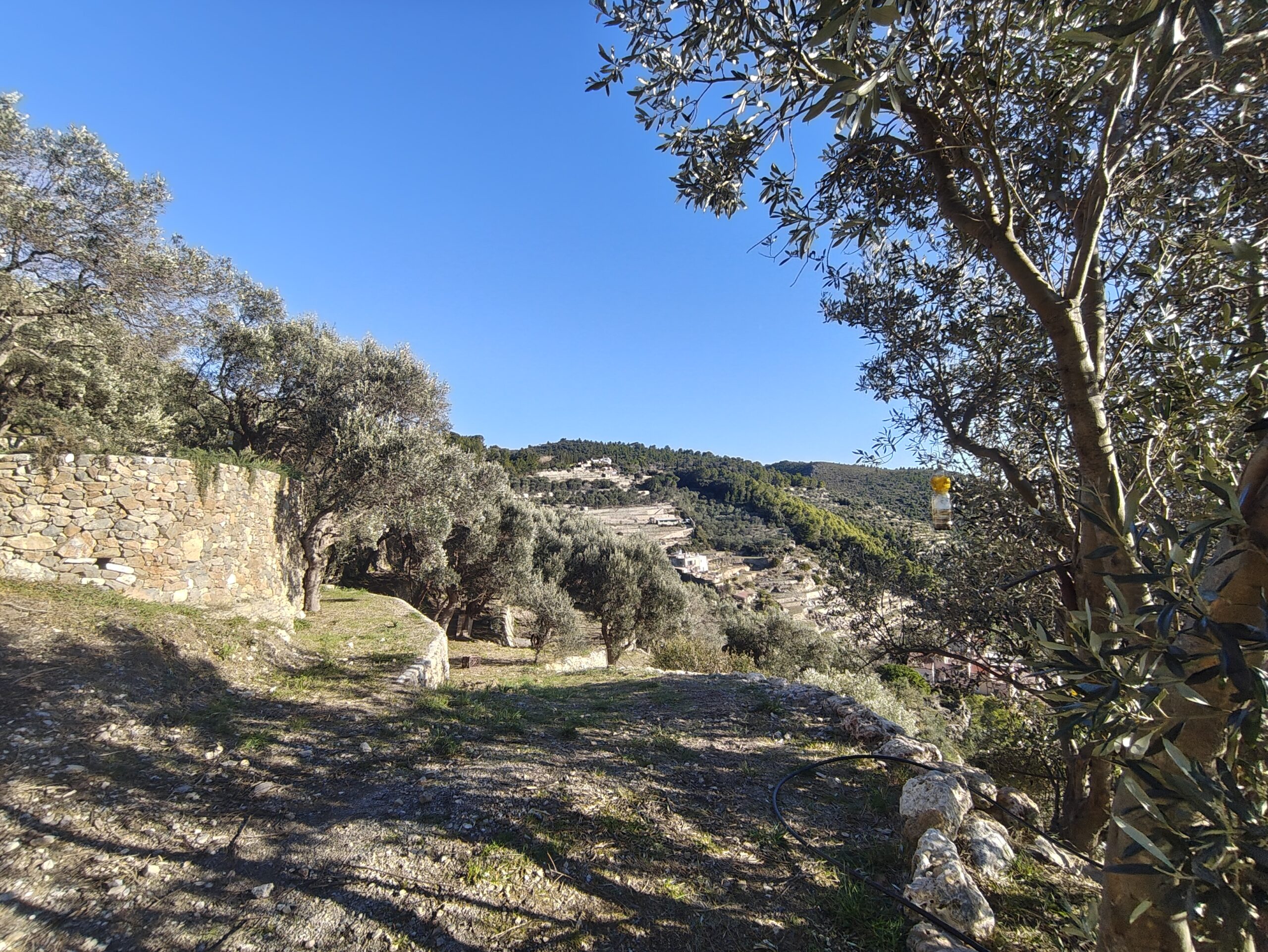
Liguria offers its own wealth of treats. This narrow strip of land contains both sea and mountains, with steep hills terraced for cultivation. It heavily influences what grows here – and what ends up on the plate.
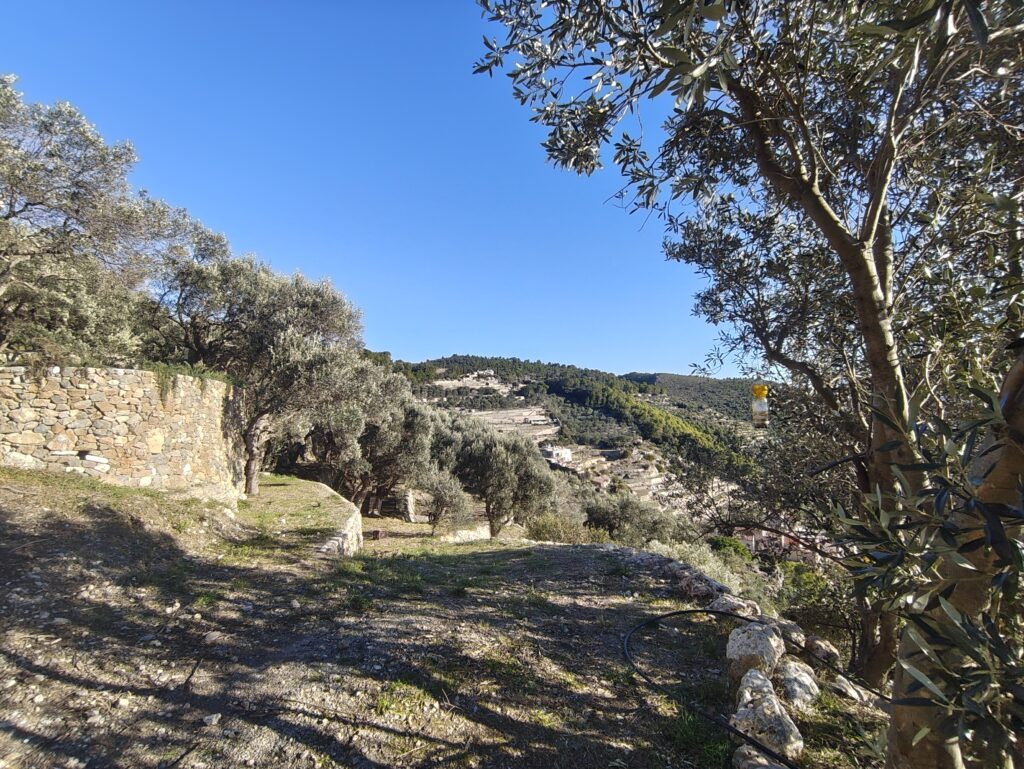
Olives play a defining role for Liguria, especially the famous Taggiasca. Everywhere you look, olive trees stretch across the hillsides. Local supermarkets dedicate entire aisles to olive oil. Thankfully, we haven’t had to make that difficult choice ourselves. Where we are staying, the owners produce their own oil and it’s available to us in generous quantities. It’s fruity and light, yet intensely aromatic. I’ve learned about “filtrato” and “non-filtrato”, and this one is definitely the latter – perfect for salads, dipping, and dangerously moreish.
While the olives are famous, Ligurian grapes are less so. A few kilometres north lies Piedmont’s Langhe region, home to world-famous wines such as Barolo and Barbaresco. Ligurian wine doesn’t enjoy the same reputation, but the crisp minerality of a Pigato is perfectly suited to this place. Vermentino is herbal and fresh. Rossese is smooth and floral, pairing beautifully with seafood. For this revelation, I must thank a Ligurian restaurant – my limited knowledge had always dictated red for meat and white for fish. Then comes Bosco: a sweet, citrus-tinged surprise. What these wines do spectacularly is enhance the subtle flavours of Ligurian cuisine rather than overpower them.
But their price is surprising. Entry-level Ligurian wines often cost more than their better-known Italian counterparts, both in restaurants and supermarkets. My guess is that the steep terrain and small-scale cultivation make production more demanding. To test this theory, we have diligently planned visits to a few local wineries.
Arriving at this time of year has also introduced us to Ligurian pandolce, also known as panettone genovese. My idea of panettone had always been a tall, airy dome dusted with icing sugar. So when I encountered a dense, almost biscuit-like version, I was initially sceptical. But it is another delight: rich, fruit-heavy, generously studded with pine nuts, and finished with lingering notes of citrus and liquorice – perhaps a nod to local oranges and fennel.
But if I’m honest, the hardest part of leaving the house is the risk of focaccia and farinata. The stakes are high. Both are beyond divine, and I’ve found it impossible to resist. Crisp yet soft, soaked – to just the right degree – in regional olive oil. And I am clearly not alone. One morning in a local bakery, I overheard a husband and wife loudly debating whether the crispy edge or the softer middle slice of focaccia was superior. In the end, they bought both. I now understand why the debate mattered – and admire their diplomatic solution.
For me, Ligurian focaccia and farinata are like Borgio Verezzi: words and photos don’t quite do them justice. You have to come and taste them for yourself. I promise, it’s worth it.
Ligurian food, like its wine, is not loud. It is precise – shaped by constraint, geography and subtlety. I am only scratching the surface. Behind every dish and every glass lies an education in history, landscape and culture. For me, it’s an ongoing lesson and never before have I paid so much attention.